

The global smart home market is expanding at an unprecedented rate, with industry market reports projecting significant growth in connected device adoption through 2026. As consumers seek convenience, security, and energy efficiency, the complexity of integrating disparate devices often becomes the primary barrier to entry. Amazon has positioned itself as a central hub for this transformation, offering a unified suite of tools, hardware, and services designed to simplify the building process. This guide explores how to leverage Amazon's infrastructure to create a seamless, secure, and scalable smart home environment. (Spend less)
Understanding the Amazon Smart Home Ecosystem
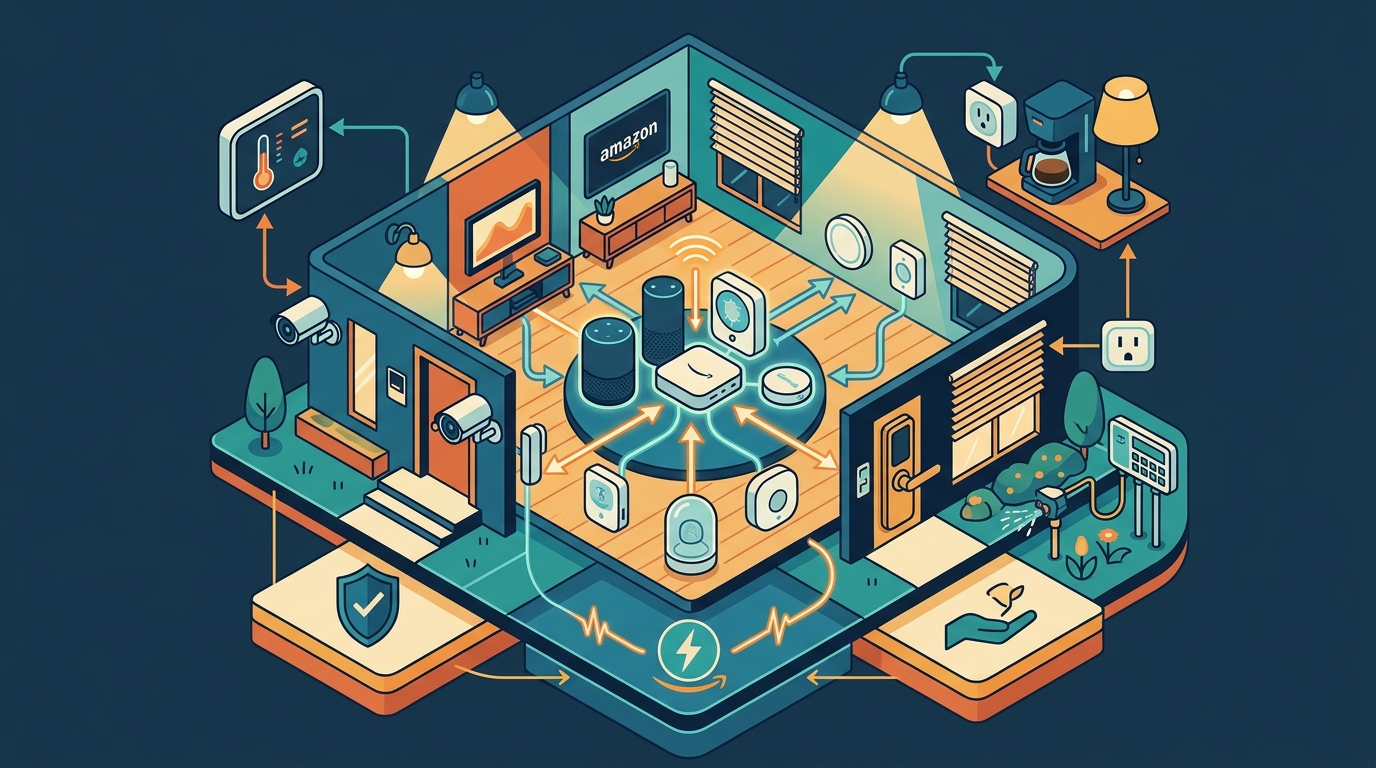
Building a smart home is not merely about purchasing individual gadgets; it is about constructing an interconnected network where devices communicate efficiently. Amazon's approach centers on interoperability, allowing users to mix and match devices from various manufacturers while maintaining a single point of control. This ecosystem relies on three pillars: the Alexa voice assistant, the Ring security network, and the broader Amazon shopping infrastructure that makes procurement effortless.
Alexa is the central nervous system of this setup. It processes voice commands, executes routines, and manages device states. Unlike fragmented systems that require multiple apps, Amazon's strategy emphasizes a unified experience. According to recent consumer data, households using integrated voice assistants report higher satisfaction rates due to reduced friction in daily operations. The key to success lies in selecting devices that natively support Amazon's communication protocols, such as Matter or Zigbee, ensuring long-term compatibility.
Core Hardware: The Foundation of Automation
The physical layer of your smart home consists of sensors, controllers, and actuators. Amazon offers a range of proprietary devices, but its true strength lies in its compatibility with third-party hardware. When building your network, prioritize devices that offer local processing capabilities to reduce latency and maintain functionality during internet outages.
Smart Displays and Hubs
Smart displays serve as both control panels and entertainment centers. The Echo Show series provides visual feedback for smart home status, video calls, and media consumption. These devices act as secondary hubs, allowing you to monitor cameras or control lights without using your phone. For larger homes, placing Echo Show units in key areas like the kitchen or living room ensures comprehensive coverage.
Smart Plugs and Switches
Transitioning traditional devices to smart ones is the most cost-effective starting point. Smart plugs allow you to schedule power delivery for lamps, fans, or coffee makers. Smart switches replace standard wall switches, enabling voice control of hardwired lighting. These components are essential for creating automated routines, such as turning off all lights at a specific time or simulating occupancy while you are away.
Mastering Voice Control with Alexa
Voice control is the primary interface for most smart home users. Alexa's natural language processing capabilities have evolved to handle complex commands and contextual queries. To maximize efficiency, users should configure custom routines that trigger multiple actions with a single phrase.
For example, a "Good Morning" routine might open smart blinds, start the coffee maker, and read out the day's weather and calendar events. This level of automation reduces cognitive load and streamlines daily tasks. Amazon's developer resources provide extensive documentation for those looking to create custom skills or integrate niche devices that may not have native support.
Privacy is a critical consideration when using always-on microphones. Amazon provides physical mute buttons and clear visual indicators when the microphone is active. Additionally, users can review and delete voice recordings through the Alexa app, maintaining control over their data. According to privacy studies, transparency in data handling is a major factor in consumer trust and adoption rates.
Security and Monitoring Integration
Home security is a cornerstone of the modern smart home. Amazon's acquisition of Ring has integrated professional-grade monitoring with consumer-friendly hardware. This integration allows for a cohesive security strategy that combines doorbell cameras, indoor cameras, and smart locks.
Ring devices offer cloud storage for video history, accessible via the Ring app. Users can set up motion zones to reduce false alerts and receive instant notifications when activity is detected. For comprehensive protection, Amazon Prime members can access enhanced features through Ring Protect plans, which include video recording and sharing capabilities. This integration ensures that security data is readily available when needed, providing peace of mind for homeowners.
Smart Locks and Access Control
Smart locks enable keyless entry and remote access management. By integrating with Alexa, users can grant temporary access to guests or service providers without physical key exchange. This feature is particularly valuable for short-term rentals or households with frequent visitors. The ability to monitor lock status via voice or app ensures that doors are secured at all times.
Energy Management and Efficiency
Energy efficiency is a growing priority for homeowners seeking to reduce utility costs and environmental impact. Smart thermostats and energy monitoring devices play a crucial role in this effort. Amazon supports a wide range of thermostats that can learn user preferences and adjust heating and cooling schedules automatically.
By analyzing usage patterns, these devices can optimize energy consumption without sacrificing comfort. For instance, a smart thermostat might lower the temperature when it detects that the house is empty and warm it up before residents return. This automation can lead to significant savings on monthly bills. According to energy department reports, smart home technologies can reduce residential energy use by up to 10 percent.
Monitoring and Analytics
Beyond thermostats, smart plugs and energy monitors provide real-time data on appliance usage. This visibility helps users identify energy-hungry devices and adjust habits accordingly. Amazon's shopping platform offers a curated selection of energy-efficient products, making it easy to upgrade to LED lighting or high-efficiency appliances. The convenience of one-stop shopping accelerates the transition to a greener home.
Comparing Smart Home Platforms
While Amazon dominates the voice control segment, other platforms offer competing ecosystems. Understanding the differences helps users make informed decisions about their smart home investments.
| Feature | Amazon Alexa | Google Home | Apple HomeKit |
|---|---|---|---|
| Voice Assistant | Alexa | Google Assistant | Siri |
| Device Compatibility | Extensive (Matter, Zigbee, Wi-Fi) | Extensive (Matter, Wi-Fi) | Strict (HomeKit Certified) |
| Security Integration | Ring, Blink | Nest | Aqara, Eve |
| Shopping Integration | Amazon.com | Google Store | Apple Store |
| Privacy Focus | Local processing options | Cloud-centric | On-device processing |
Amazon's advantage lies in its retail ecosystem. Users can discover, purchase, and install devices within a single platform. This seamless experience reduces the friction often associated with setting up a smart home. Furthermore, Amazon's commitment to the Matter standard ensures that its devices will remain compatible with future technologies, protecting the user's investment.
Key Takeaways
- Centralized Control: Alexa serves as the primary interface, unifying diverse devices into a single management system.
- Security Integration: Ring devices offer robust monitoring capabilities, especially for Amazon Prime members.
- Energy Savings: Smart thermostats and plugs can reduce utility costs by optimizing usage patterns.
- Interoperability: Support for Matter ensures long-term compatibility with third-party hardware.
- Shopping Convenience: Amazon.com provides a vast selection of smart home products with fast delivery options.
- Privacy Controls: Users have granular control over voice data and device permissions.
- Scalability: The ecosystem supports growth from a single device to a fully automated home.
Frequently Asked Questions
What is the best way to start building a smart home?
Start with a smart speaker and a few smart plugs or lights. This low-cost entry point allows you to test voice control and routines before expanding your network.
Does Amazon Alexa work with all smart devices?
Alexa supports thousands of devices across categories like lighting, climate, and security. However, compatibility depends on the device's support for Amazon's protocols or the Alexa app.
How does Ring integrate with Amazon?
Ring devices connect directly to the Alexa app, allowing users to view camera feeds, receive alerts, and control locks through voice commands or the Alexa interface.
Can I use Amazon smart home features without a subscription?
Yes, basic device control and voice commands are free. However, advanced features like video recording for Ring or extended cloud storage may require a subscription plan.
Is Amazon's smart home ecosystem secure?
Amazon employs encryption and regular security updates to protect user data. Users can also enable two-factor authentication and manage device permissions for added security.
What is the Matter standard?
Matter is a universal smart home standard that allows devices from different brands to work together seamlessly, ensuring interoperability across platforms like Amazon, Google, and Apple.
How do I troubleshoot device connectivity issues?
Check your Wi-Fi signal strength, ensure devices are on the correct frequency band, and restart your router. The Alexa app provides diagnostic tools to help resolve common connectivity problems.
Start Your Smart Home Journey
Building a smart home is an investment in convenience, security, and efficiency. Amazon provides the tools, devices, and support necessary to create a personalized ecosystem that grows with your needs. Explore the vast selection of smart home products available on Amazon.com and discover how to integrate them into your daily life. Whether you are starting with a single device or planning a full home automation, Amazon's ecosystem offers the flexibility and reliability to bring your vision to life. Visit our advertising resources for more insights on leveraging technology for modern living.